Direct answer
Confirm map identity, dimensions, axis direction and coordinate units before drawing. Validate several known positions against the chosen image and preserve gaps in the event stream. A line between recorded positions is an interpolation, not proof of the route a player traveled.
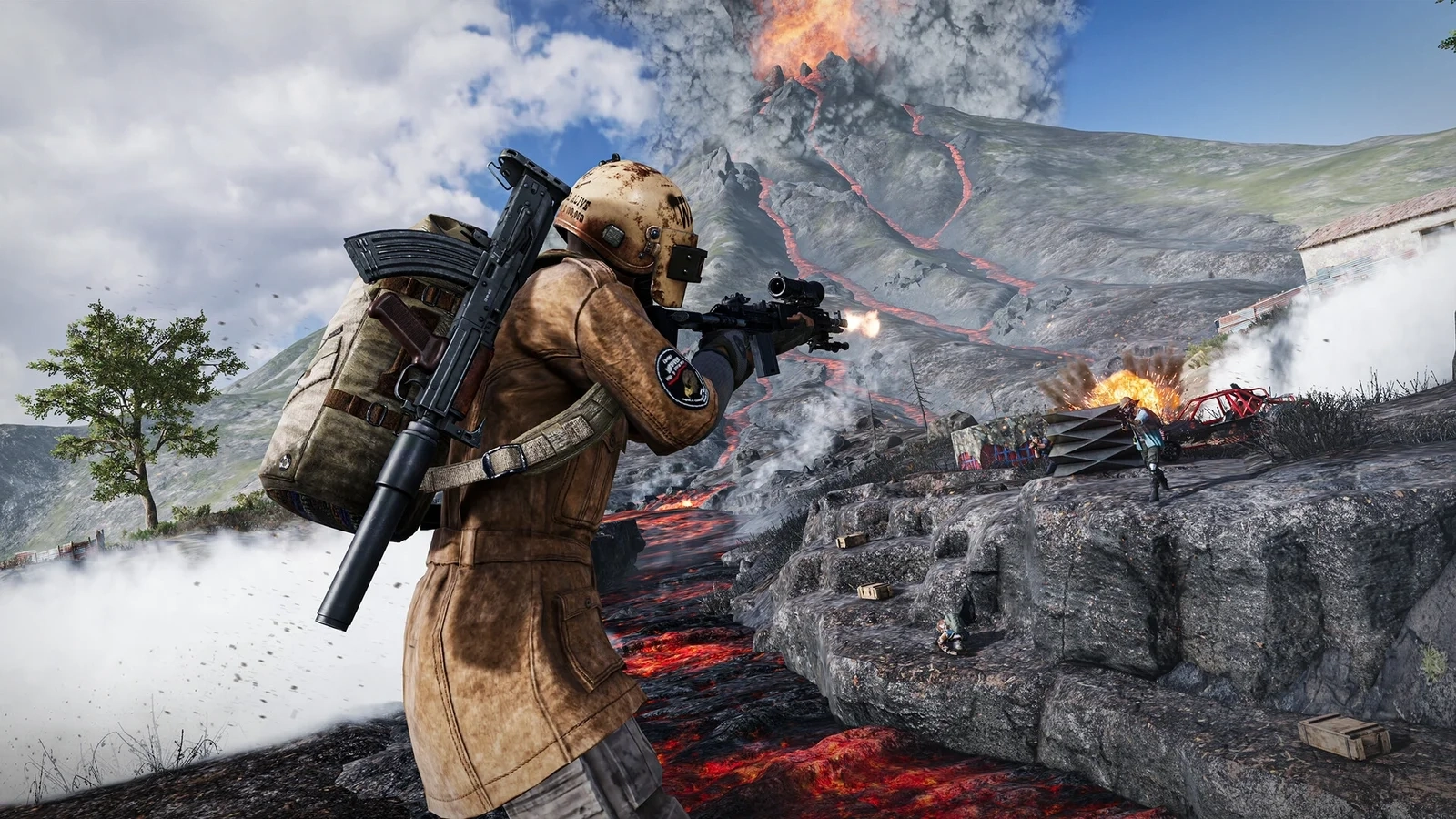
Match image and map identity
Keep the map identifier with the match. Match the background to that map and its actual extent; a cropped promotional map may not align. Centralise the conversion and test known locations before plotting a complete route. Resizing the image without updating the conversion can move every point while leaving a superficially convincing result.
Check axes and units
Read the official telemetry object definitions before treating values as pixels or metres. Confirm the horizontal axis and whether the image’s vertical direction needs inversion. Test locations near different edges, not just the centre: the centre can look correct in a mirrored conversion. Preserve original coordinates alongside transformed points during debugging.
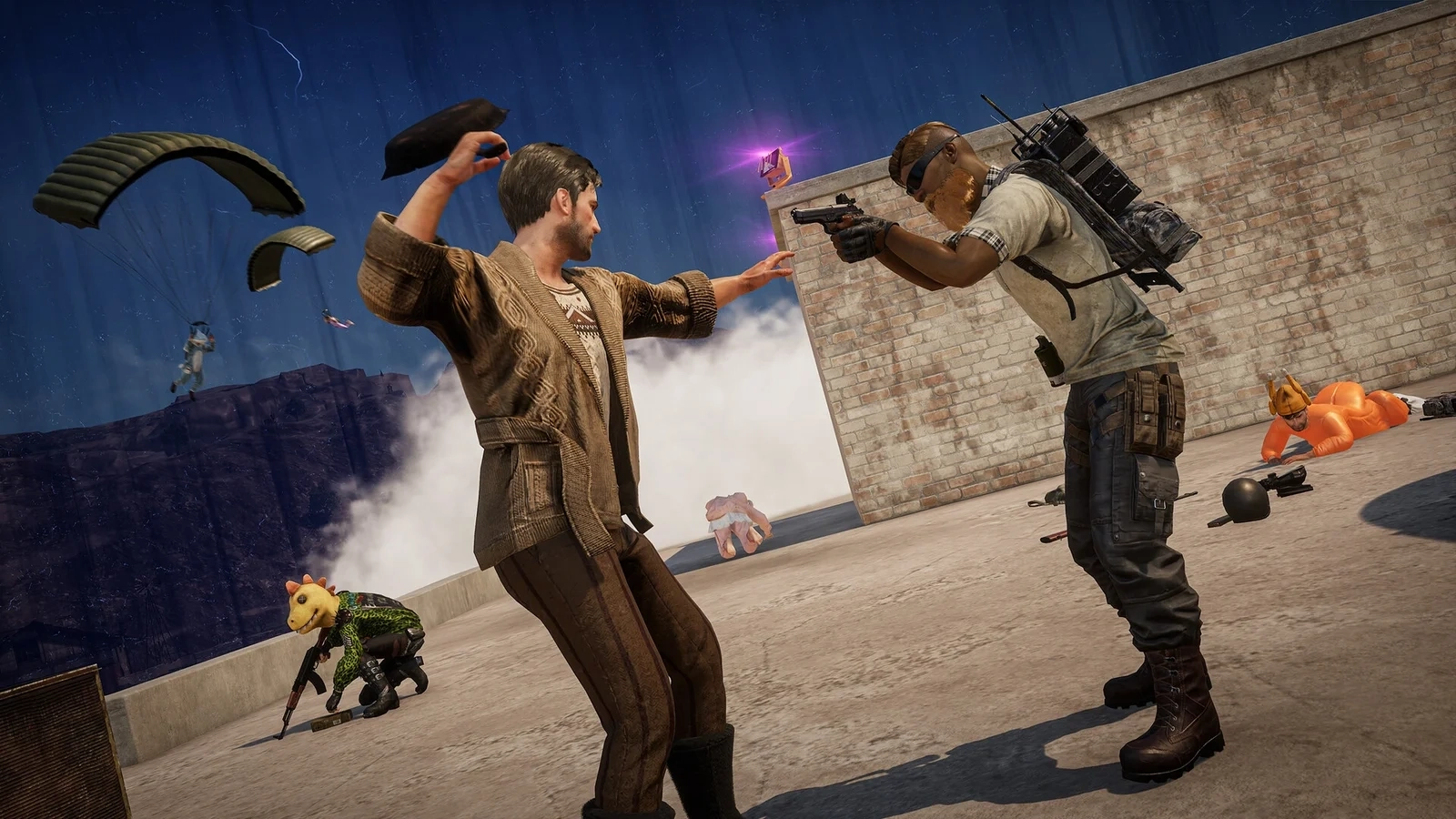
Do not invent movement through gaps
A straight segment between samples is interpolation, not proof of the path travelled. Break long gaps or use a different line style and explain it in the legend. Sparse events cannot establish precise driving lines, speeds or unobserved turns. Make uncertainty visible instead of letting a smooth line imply continuous tracking.
Answer one small question
Start with where a squad was before the next zone rather than drawing every object. Label the team, time interval and map. Check several raw positions against the image, then add other teams only when relevant. The official screenshots on this site provide visual context; they are not calibrated map backgrounds or evidence of a particular match.
Make the coordinate transform explicit
Record the map identifier, image dimensions and transformation assumptions beside the plot. Check whether the chosen image includes margins or cropping. Compare several positions spread across the map instead of calibrating a single convenient point. A scale error and a reversed axis need different corrections; adjusting both by eye can make one corner look right while the rest remains wrong. Use official map and object definitions for units and fields, and verify the actual image extent separately. Do not reuse one map's transformation merely because another image has the same pixel dimensions.
Show uncertainty in the route itself
Keep observed samples distinguishable from connecting segments. Mark time gaps and avoid presenting an interpolated segment through a building or terrain as recorded movement. If the question is a rotation decision, inspect the samples around the decision time and explain what the data cannot show. A missing interval is not evidence of standing still. Preserve the underlying event times and identifiers so a suspicious segment can be traced back. Choose a small useful question, such as where recorded positions change relative to a selected zone, rather than implying the plot reconstructs every player action.
Worked decision example
Illustrative fault: positions appear mirrored east to west. Verify map identity and horizontal-axis handling before shifting markers manually. Once calibration is correct, leave a long sample gap visible instead of drawing it as a certain path.
Scope and evidence
Check your installed build, platform and available features. Historical announcements explain their stated version; practical examples are illustrative, not claimed playtests.
Next time you play
- Confirm map identity and extent.
- Test axes at several locations.
- Mark unobserved intervals.
Selected official references
- Telemetry overview ↗Collected on November 16, 2026
- Telemetry objects ↗Collected on November 16, 2026
- Known issues ↗Collected on November 16, 2026
A source is not a promise that an old feature is unchanged. Follow the current in-game description when details differ.