Direct answer
Define the question and event scope before summing. Inspect event type, timestamp, actor and victim; keep absent actors absent. Damage, knock and elimination answer different questions, and later event versions can require different interpretation. Validate a short ordered sequence against the official definitions before aggregating a whole match.
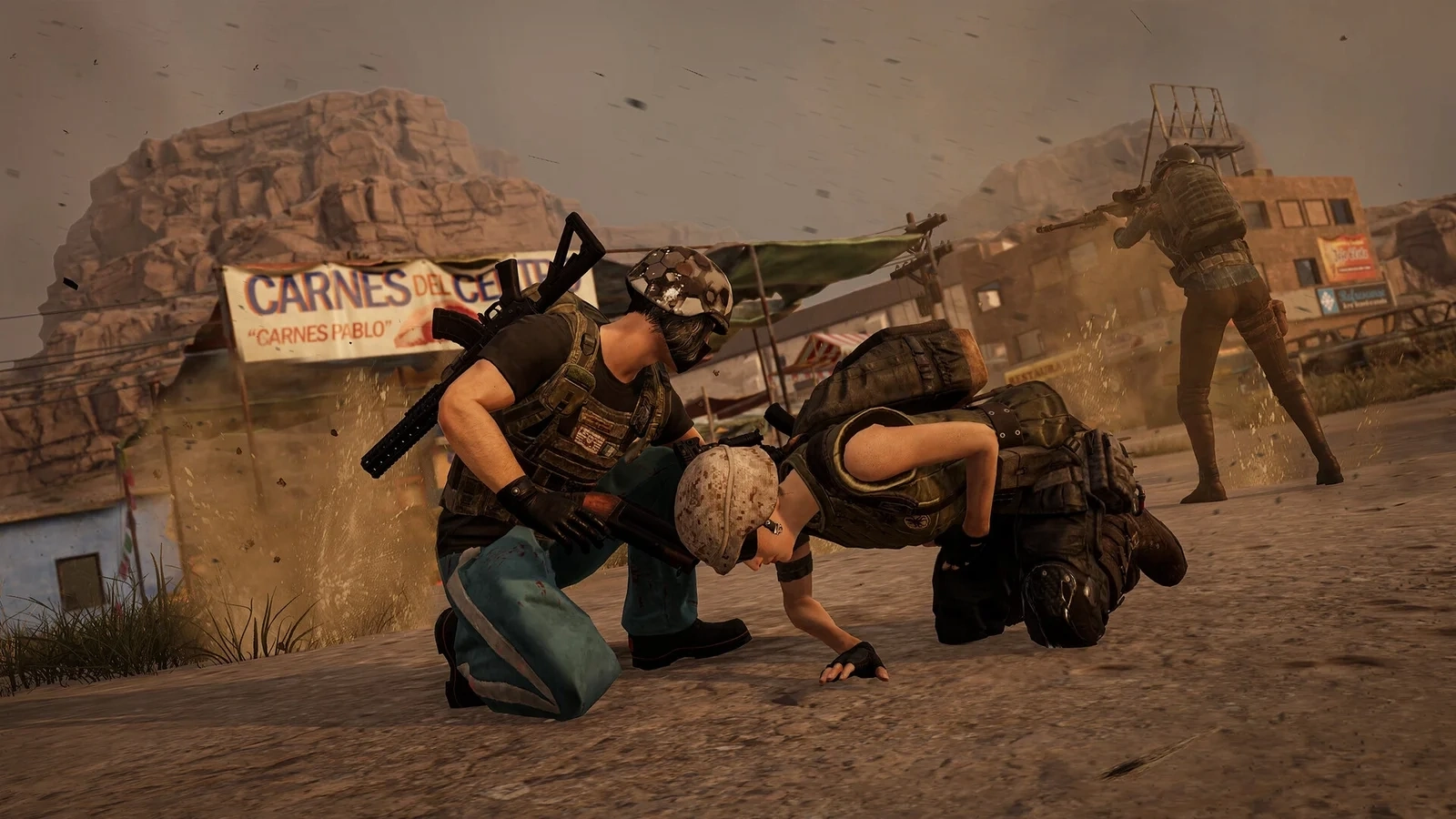
Read event type and time
Damage, knock and elimination events describe different moments. A victim appearing in several damage rows has not died several times. Use documented timestamps and identifiers to group events while retaining original order for parser testing. Do not decide an event’s meaning solely from the presence of a familiar field name; validate it against that event type’s documentation.
Keep missing actors missing
Environmental and special cases may not provide the same actor information as a straightforward hit. Check whether the object exists before accessing an account ID. Keep an unknown or non-player category instead of substituting the victim or previous attacker. A complete-looking table with invented identities is less trustworthy than one that makes its missing data explicit.
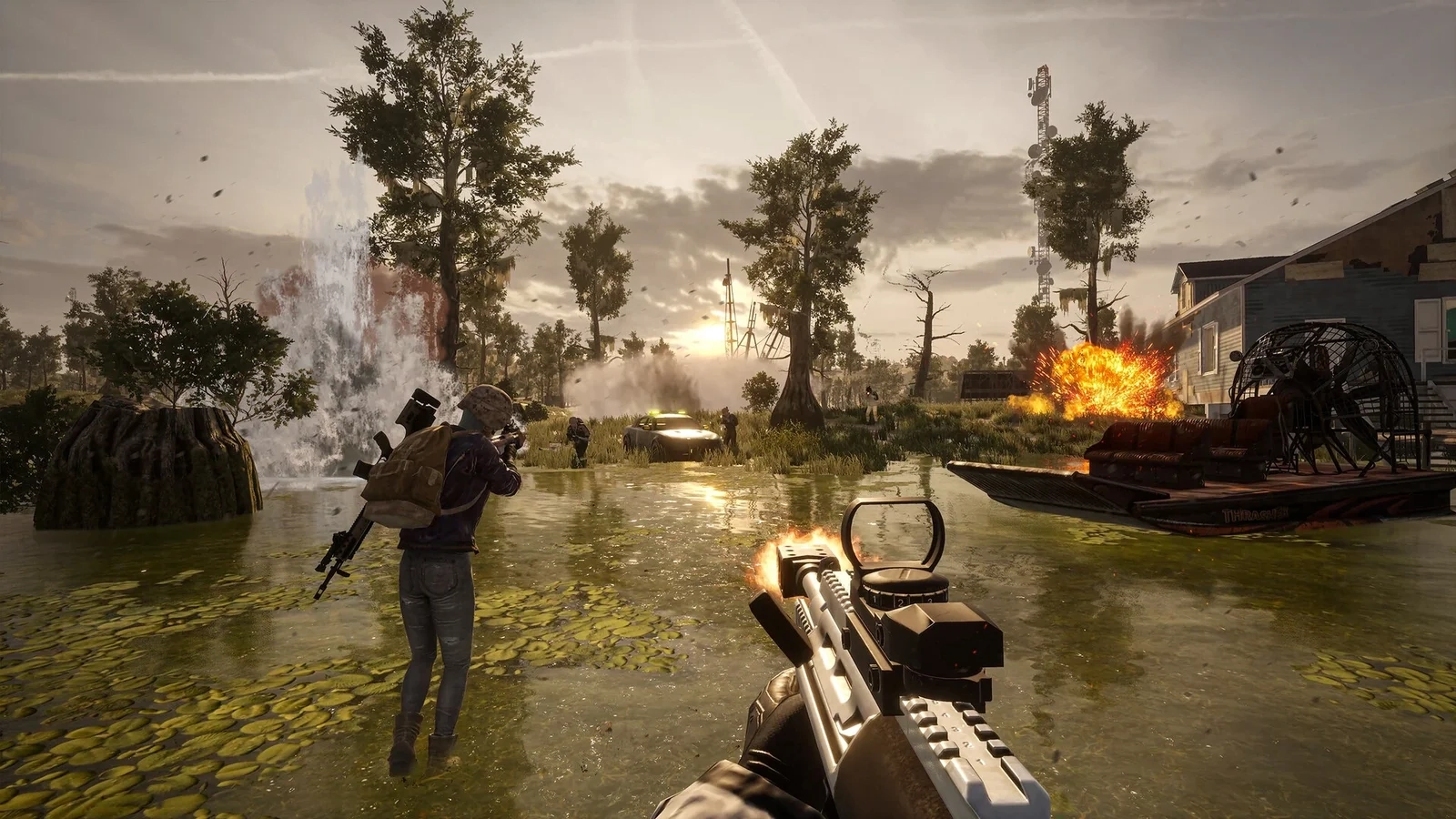
Define the question before summing
“Damage before the push” requires a time interval, actor set and damage definition. Decide how to handle friendly damage, self-damage and repeated encounters first. Check the fields present in the fetched version. Without those choices, your number cannot be reliably compared with a broadcast panel or in-game statistic, even if the arithmetic itself is correct.
Test a short sequence
For an illustrative parser test, choose one attacker, one victim and a short interval. List contributing rows next to the subtotal and check that each is included once. Widen the interval only after that works. This validates aggregation, not aiming intent, private communications or unrecorded events. Preserve the raw rows so someone else can inspect your reasoning.
Build an event ledger with explicit unknowns
For a small slice, retain the event name, original timestamp, actor identifier, victim identifier and fields required by the definition you use. Keep the original event beside your normalized row. Do not create an attacker when environmental damage or a missing actor leaves none. Distinguish an absent field from an observed zero. When aggregating, state whether the total concerns all damage, a chosen victim or a specific interval. A clean number with an undocumented filter is less useful than a slightly more explicit table whose scope another reader can reproduce.
Review ordering and repeated inputs
Sort a review sequence using its documented time representation and preserve source order where timestamps do not distinguish events. If several downloads or cached copies are merged, ensure you have not ingested the same document twice. Do not deduplicate events solely because their visible values look similar; legitimate repeated actions can resemble one another. Compare your approach with known issues and versioned definitions. To investigate a surprising total, return to the smallest interval producing it and identify which rows contributed. This separates parser bugs from meaningful game events without pretending every missing field can be reconstructed.
Worked decision example
Illustrative sequence: a damaging hit is followed by a knock and later an elimination event. Count each for its declared purpose rather than adding all three to one elimination total. An environmental damage row without an attacker remains unattributed; assigning the nearest player invents evidence.
Scope and evidence
Check your installed build, platform and available features. Historical announcements explain their stated version; practical examples are illustrative, not claimed playtests.
Next time you play
- Separate damage, knock and elimination.
- Retain unknown actors.
- Keep the rows behind each total.
Selected official references
- Telemetry events ↗Collected on November 16, 2026
- Telemetry objects ↗Collected on November 16, 2026
- Known issues ↗Collected on November 16, 2026
- API versioning ↗Collected on November 16, 2026
A source is not a promise that an old feature is unchanged. Follow the current in-game description when details differ.